
Al Satwa Planning Regulations Updated: Higher-Density Rules and What They Mean
Dubai Municipality has changed the planning rules for Al Satwa, one of the city’s established residential districts. The update, reported by the Dubai Media Office on Sunday 1 November 2026, allows apartment buildings and mixed-use plots in places where the earlier framework mainly allowed attached villas. If you own land in Al Satwa, or follow how Dubai’s older neighbourhoods are being reshaped, here is what the official announcement says, and what it does not say.
What changed in Al Satwa’s planning rules
According to the Dubai Media Office release, the new regulations widen the mix of residential and commercial uses allowed in Al Satwa, depending on each plot’s location and characteristics. The headline changes are:
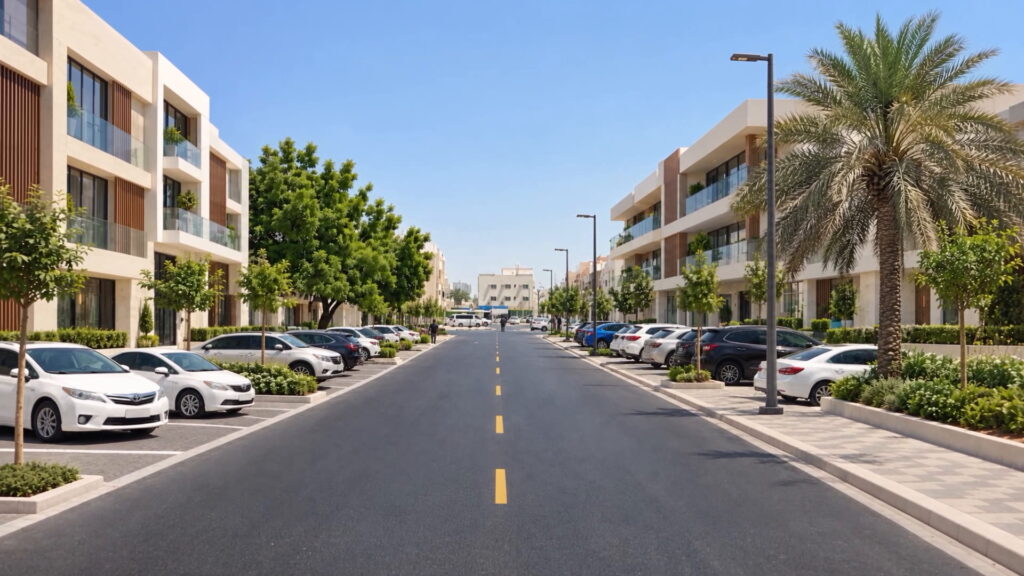
- Plots on internal roads: these can now have a ground floor plus two floors of residential apartments. This replaces the previous framework, which mainly permitted attached villas.
- Plots on external roads: these get more flexibility and higher-density options. They can have a commercial ground floor with two or three floors of residential apartments, depending on location and the applicable planning requirements.
- Larger plots of 1,000 square metres or more: these qualify for extra development potential, meaning a ground floor plus eight floors of residential apartments, with a floor area ratio (FAR) of up to 3.5. The size can be met by an existing plot or by consolidating two or more plots. The access lanes between plots can be included, subject to the approved procedures.
For reference, 1,000 square metres is roughly 10,764 square feet. FAR is the ratio of a building’s total floor area to the size of its plot, so a higher FAR means more built area is allowed on the same land.
Why Dubai Municipality made the change
The municipality says the update is meant to improve land-use efficiency, support Al Satwa’s future development, and strengthen its appeal for investment, in line with Dubai’s sustainable urban planning goals. The plot-consolidation incentive is the most deliberate part of the design: it encourages owners of smaller plots to combine them into larger sites that suit integrated development.
Eng. Mansour Al Rais, Director of the Executive Planning Department at Dubai Municipality, described the update as part of efforts to support the development of existing urban areas through a flexible approach. He said it should give landowners and investors more flexibility to redevelop their properties, while taking into account Al Satwa’s existing urban character.
The municipality also says it coordinated with the relevant service authorities to assess infrastructure and traffic requirements as part of the review. Customers can apply for the service through the Build in Dubai platform, according to the release.
What this means for owners, buyers and investors
This is a planning change, not a market forecast. The announcement does not give price, rental or supply figures, and we will not guess at them. Here is a practical way to read it:
- Plot by plot, not area-wide. What a given plot can build depends on whether it sits on an internal or external road and on its size. Anyone considering a purchase or redevelopment should confirm the exact permitted use and height for that specific plot with Dubai Municipality before committing.
- Redevelopment takes time. New buildings need design, approvals and construction. Any change to the apartment stock in Al Satwa will arrive gradually, not overnight.
- Consolidation is the route to the largest allowance. The ground-plus-eight allowance applies to plots that meet the 1,000 sq m threshold, so landowner coordination matters.
- Infrastructure is part of the picture. The municipality says it reviewed infrastructure and traffic needs with the relevant service authorities, so watch for further official updates on how those are handled.
If you are comparing areas for a purchase, our DIFC area guide and Dubai Creek Harbour area guide show how other central districts are positioned. You can also browse the current project pages on our properties page.
Also this week: Dubai Land Department upgrades Ejari in the DubaiNow app
On 2 November 2026, the Dubai Land Department (DLD) announced an enhanced Ejari service through the DubaiNow app. Ejari is Dubai’s tenancy contract registration system, so this matters to landlords and tenants.
- Customers can create and register a tenancy contract in a single process, and the Ejari certificate is issued immediately once the contract is approved.
- Renewals and cancellations are also handled digitally, connecting landlords and tenants through UAE PASS.
- Customers can pay their DEWA security deposit within the same journey to activate electricity and water services.
In its release, DLD noted that rental contracts in the first quarter of 2026 totalled roughly AED 32.2 billion, with 118,385 new contracts and 135,607 renewals registered. For landlords, a smoother registration process may reduce paperwork when letting a property. As always, check the service directly in the app for the steps that apply to your tenancy.
Official sources
- Dubai Media Office: Dubai Municipality updates Al Satwa area’s planning regulations (1 November 2026)
- Dubai Land Department: Dubai Land Department launches enhanced Ejari service through DubaiNow app (2 November 2026)
This article is general information based on the official releases above. It is not legal, planning or investment advice. Planning permissions are decided plot by plot by the relevant authorities. Please check the current rules with Dubai Municipality before making decisions. For help comparing Dubai areas and projects, contact the Mina Prime Properties team.


